How Our Wildflower Garden Took Root
When we began renovations back in 2018, we knew we didn’t want to simply open a restaurant — we wanted to create a place that belonged to its environment.
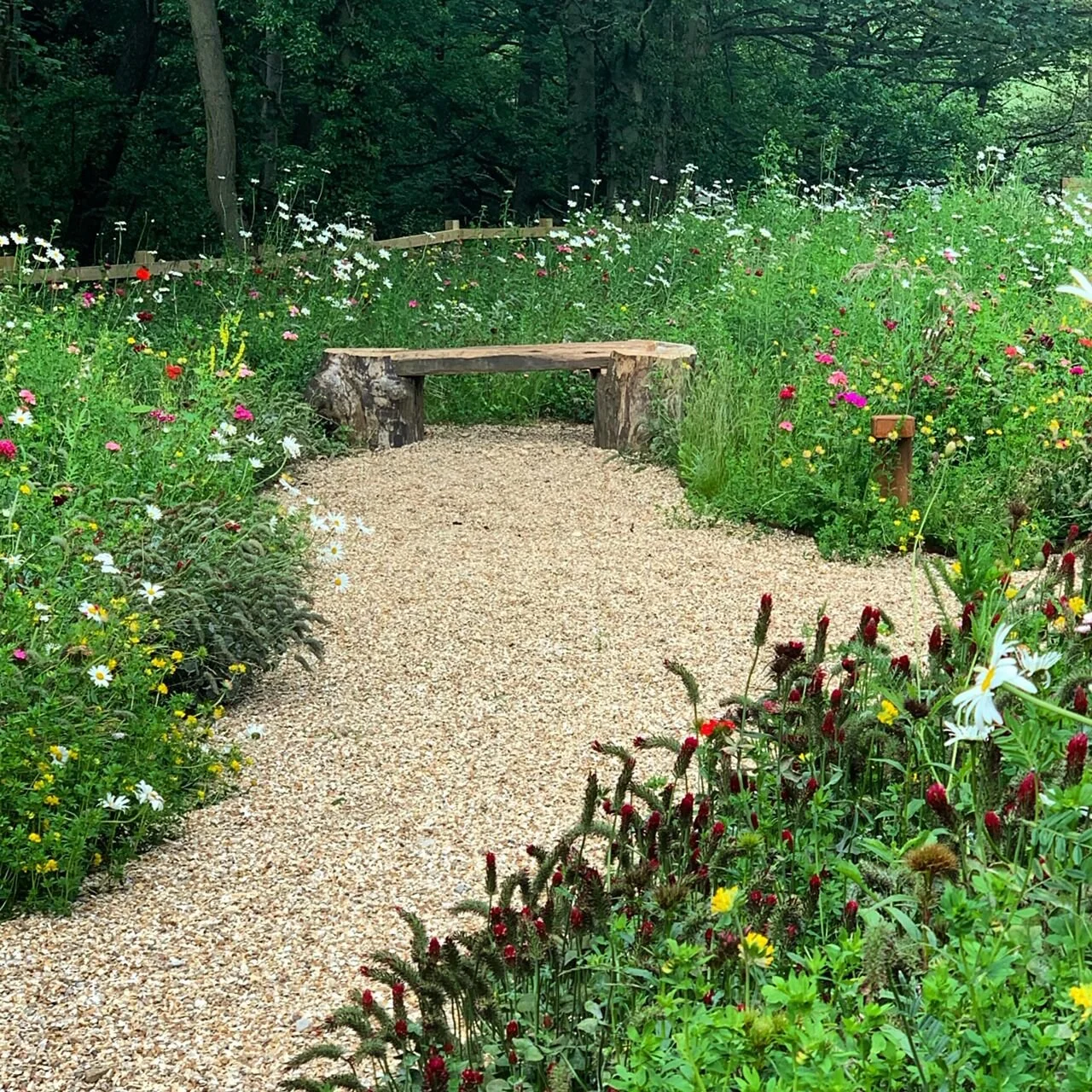
Set beside the River Holme, bordered by ancient woodland and open sky, it felt important that the space outside our walls was as thoughtful as what happened inside them. The answer, for us, was simple: let nature lead.
Planting Something That Lasts
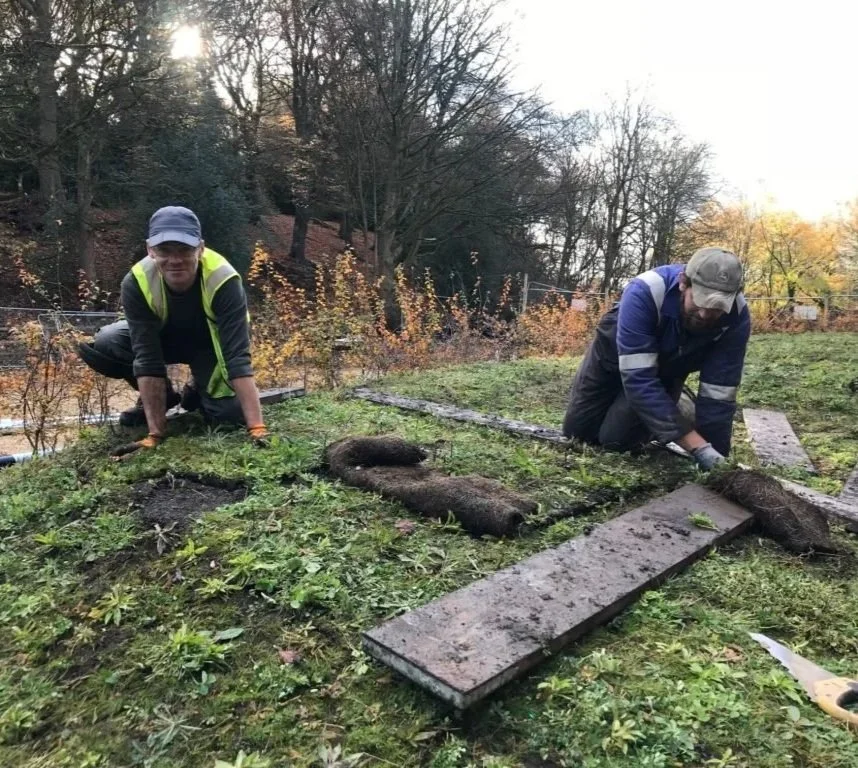
With the help of Sally Marshall Garden Design and Wildflower Turf Ltd, our riverside ground was transformed into a living wildflower meadow — one that felt natural, seasonal and quietly beautiful.
Sally immediately understood our vision. Rather than imposing something manicured or ornamental, she helped us create a space that felt like it had always been there. A meadow that changes with the months, softens the landscape, and invites people to slow down.
We’re endlessly grateful for her work — not just for how it looks, but for what it supports.
A Garden That Grows With the Seasons
Wildflower meadows don’t perform on demand. They evolve.
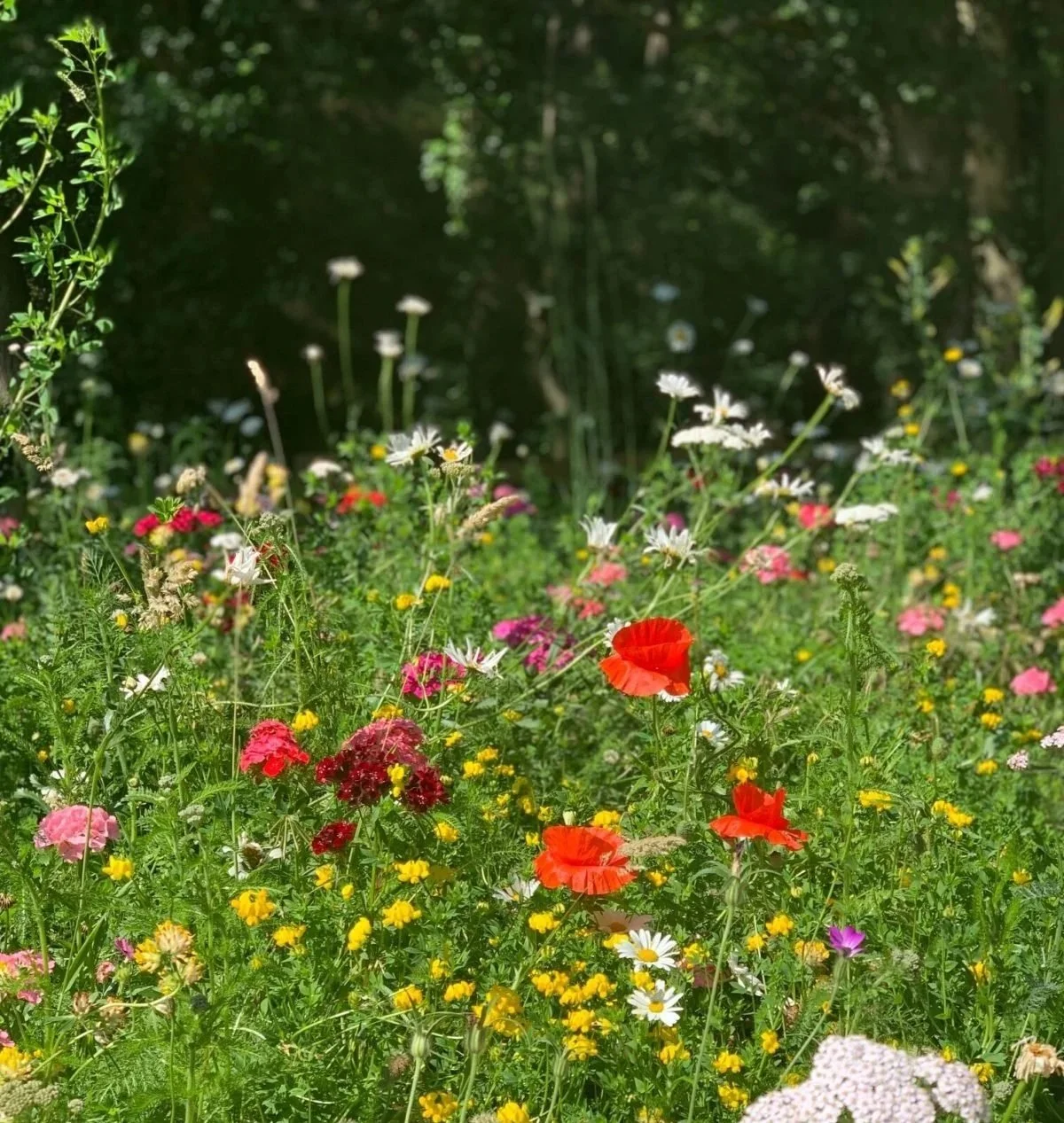
From the first spring blooms to the full summer abundance, our garden shifts in colour, texture and mood throughout the year. No two seasons ever look quite the same — and that’s exactly the point.
It’s a little piece of countryside woven into Devour’s everyday life. A place for wandering, sitting, noticing.
Why Wildflowers Matter
Beyond their beauty, wildflower spaces play an important role in the UK’s landscape. They support biodiversity, improve soil health, and provide essential habitats for bees, butterflies and other pollinators.
In a time when natural habitats are disappearing, even small meadows can make a meaningful difference. For us, this felt like a responsibility as much as a creative choice.
From Meadow to Honey
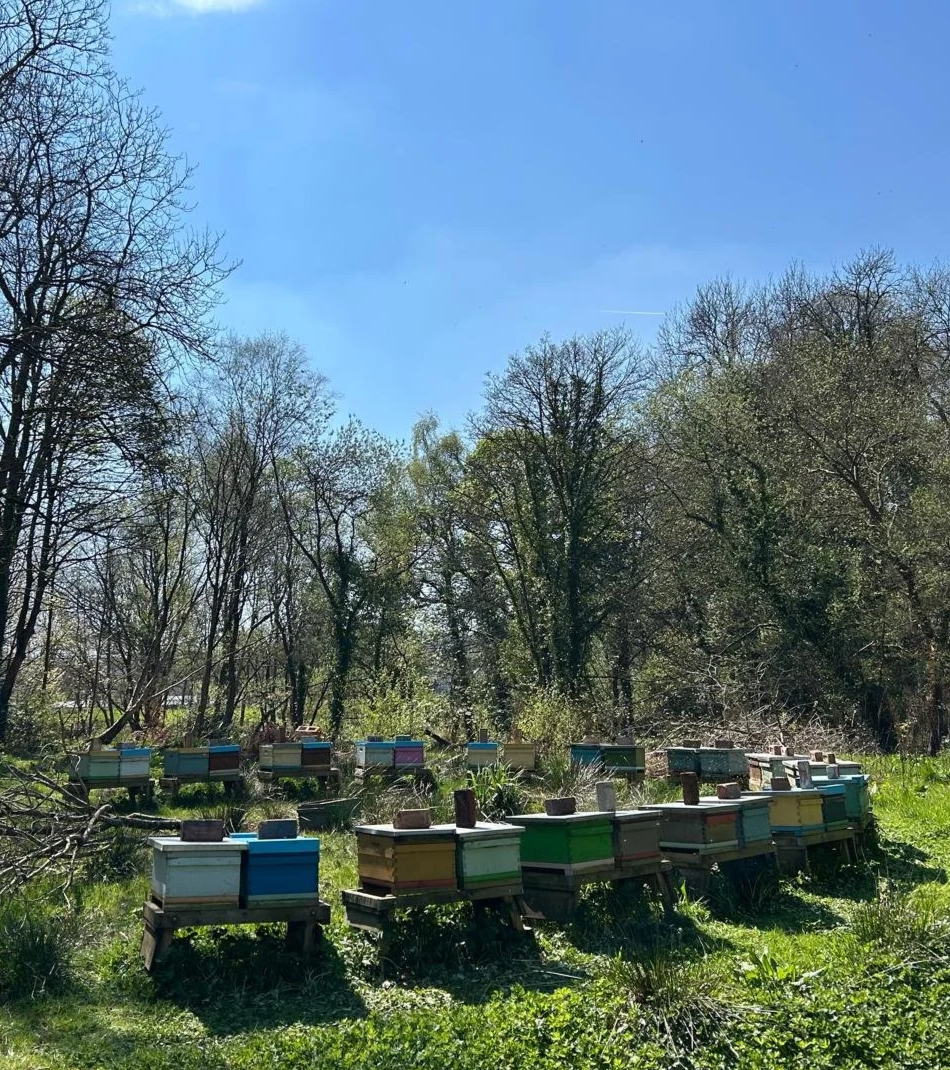
At the far end of our car park, our story with wildflowers deepens.
Today, we proudly partner with a local beekeeper whose hives sit nearby — bees that forage among our meadow and surrounding countryside. The result is Devour wildflower honey, now available in the restaurant and as part of our Devour Home range alongside candles, homeware, Italian imports and books.
It’s a quiet, circular story: flowers feeding bees, bees making honey, honey returning to the table.
Rooted in Place
The wildflower garden has become part of Devour’s rhythm — a reminder that good things take time, patience and care.
It’s not just something to look at. It’s something to belong to.
And it all began with a shared vision, a stretch of riverside ground, and a decision to let nature take the lead.